Pest Control Email Marketing 101
Summary Like any type of marketing, pest control email marketing is all about sending the...

The best pest control sprayers in 2025 deliver reliable pressure, consistent coverage, and easy maintenance for everyday field use. Look for options with durable tanks, adjustable nozzles, and steady spray control to get professional results on every job.
Our top pick: the Milwaukee M18 4-Gallon Cordless Battery-Powered Backpack Sprayer, which is built for speed, comfort, and consistent performance across large treatment areas.
High-quality pest control sprayers aren’t just another tool in your truck—they’re essential for delivering consistent, professional results.
Experts agree that nozzle function and spray patterns can make or break your results. When you have full control over both, you’ll deliver even, effective applications every time.
For technicians, reliability matters just as much as precision. You need equipment that stands up to daily use, maintains pressure, and stays comfortable during long routes.
But with so many options out there, choosing the right professional pest tools can be overwhelming. Should you go with a battery-powered sprayer or a manual backpack sprayer? Which brands are known for durability and consistent results?
Let’s break it down.
Your pest control sprayer equipment does more than distribute pesticides. It helps protect your reputation and efficiency.
Here’s why the right tool makes all the difference:
The takeaway? Better sprayers lead to better results and more profitable, repeat business.
RELATED ARTICLE: How to Bid on Commercial Pest Control Contracts
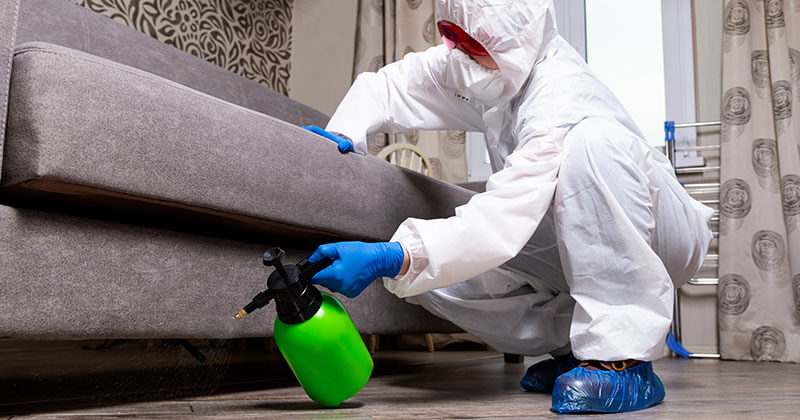
Before investing in new pest control sprayer equipment, it helps to know what’s out there. These are the main types professionals rely on.
Manual tank sprayers use air pressure you build up by pumping. They’re lightweight and easy to refill, making them great for small, targeted applications like cracks or entry points.
Advantages
Disadvantages
They’re affordable and reliable to keep on hand, but not your all-day option.
A backpack sprayer frees your hands while letting you cover larger areas with ease. Many come in both manual and battery-powered styles.
Advantages
Disadvantages
These are popular among pros who need steady performance throughout the day without frequent refills.
Battery-powered sprayers are the modern choice for efficiency and comfort. They maintain consistent pressure without manual pumping, saving time and reducing fatigue.
These work well across a range of applications and can handle larger indoor and outdoor jobs quickly.
Advantages
Disadvantages
While they’re pricier, the productivity boost often pays for itself, especially for teams managing high-volume routes.
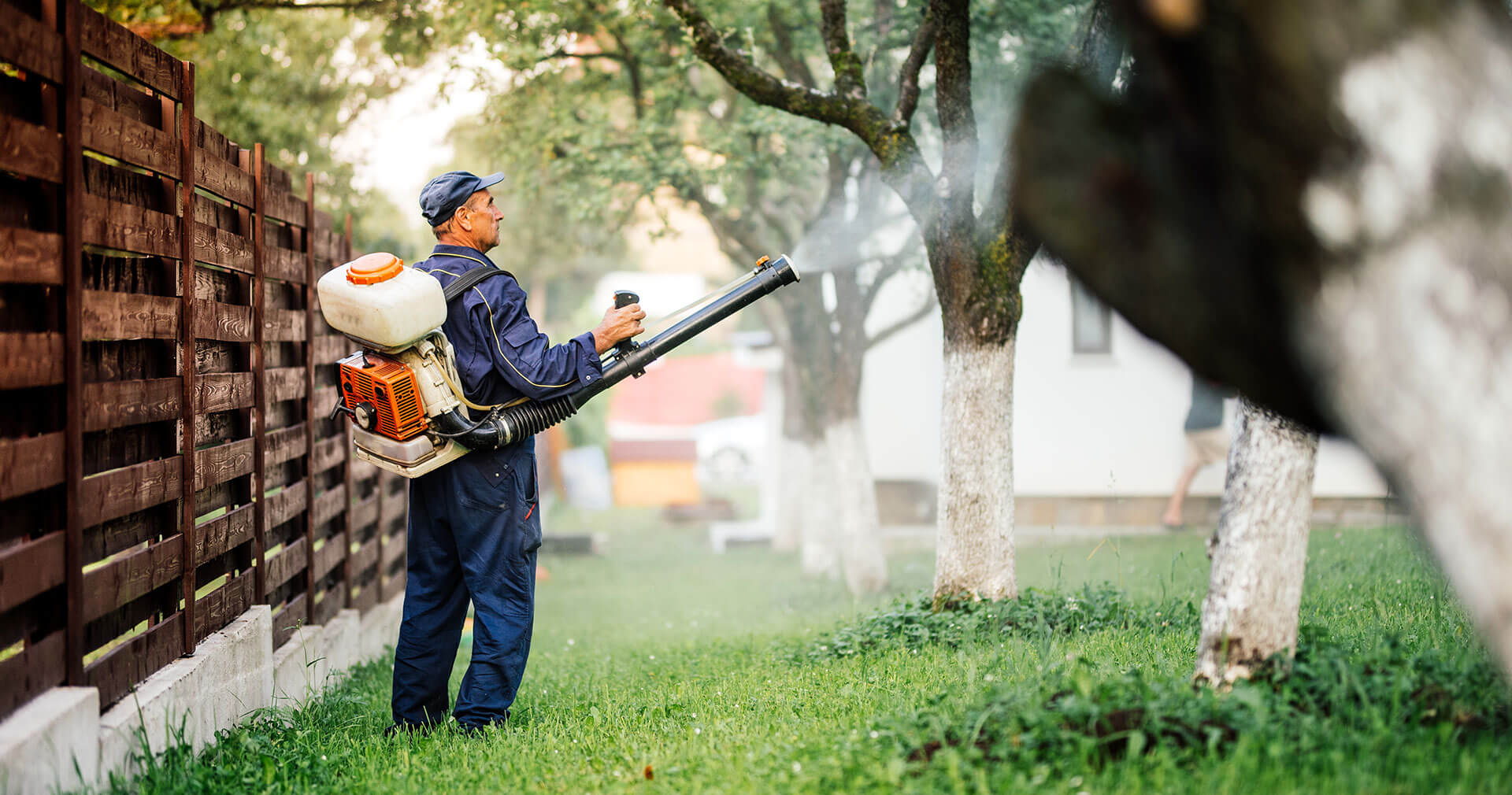
When you’re tackling airborne pests like mosquitoes or flies, foggers and mist sprayers deliver fine droplets that cover wide areas efficiently.
Advantages
Disadvantages
For businesses offering mosquito or fly control, a ULV fogger is a must-have.
RELATED ARTICLE: How to Create a Termite Treatment Quote
After reviewing dozens of professional pest tools, here are six top-rated models that combine durability, performance, and comfort.
A standout in pest control sprayer equipment, this battery-powered model delivers up to 27 full tanks per charge in high-efficiency mode. Even at higher PSI, you can expect seven tanks (28 gallons) per charge.
Adjustable nozzles and padded straps make it built for all-day use.
This battery-powered sprayer is ideal for companies that prioritize speed and reliability.
DEWALT’s sturdy 2-gallon tank sprayer features a teardrop base for stability and an ergonomic handle for comfortable control, even with gloves on.
Its durable build and interchangeable nozzles make it a reliable go-to for smaller applications.
This Chapin model is a heavy-duty insecticide sprayer built for professionals who need precision and durability. The brass nozzle offers precise flow control, and the triple-lock lid prevents spills and leaks.
For companies looking for long-term reliability, this is a smart investment.
The FlowZone Storm 2Gal is a versatile backpack sprayer with interchangeable tanks, letting you switch chemicals or recharge quickly between jobs. Dual flow modes make it adaptable to nearly any pesticide sprayer application.
Its modular system scales easily as your business grows.
This battery-powered sprayer doubles as a ULV fogger, creating a fine mist ideal for outdoor flying insect treatments. The extendable hose and large tank make it efficient for covering big properties fast.
Reliable and field-tested, this fogger is a workhorse for seasonal treatments.
This Airofog model is a compact, corded insecticide sprayer that handles oil- and acid-based chemicals with ease. It sprays droplets up to 40 feet using a 700-watt motor.
Perfect for pros working in residential or enclosed environments.
To make your decision easier, here’s a side-by-side look at how the top pest control sprayers compare in price, performance, and best use.
| Product | Cost | Qualities | Best For |
| Milwaukee M18 4-Gallon Cordless Battery-Powered Backpack | $399–$499 | Efficiency and ergonomic comfort | Mid-sized and enterprise businesses with many clients |
| DEWALT Manual Pump Sprayer | $42–$46 | Budget-friendly and reliable | Small pest control businesses and independent pros |
| Chapin 2-Gallon Stainless Steel Sprayer | $177–$196 | Durable and long-lasting parts | Any pest control business that values reliability |
| FlowZone Storm 2-Gallon SwapTank Backpack | $259–$281 | Cost-effective and versatile | Small companies and independent pest control pros |
| Petratools Electric Backpack ULV Fogger | $229–$279 | Fine mist and extendable hose | Pest control companies that offer outdoor services |
| Airofog ULV 120 Flex Cold Fogger | $389 | Lightweight and powerful | Professionals who offer indoor and residential services |
When comparing pest control sprayer equipment, keep these key factors in mind:
RELATED ARTICLE: The Best Commercial Exterminator Equipment Available in 2024
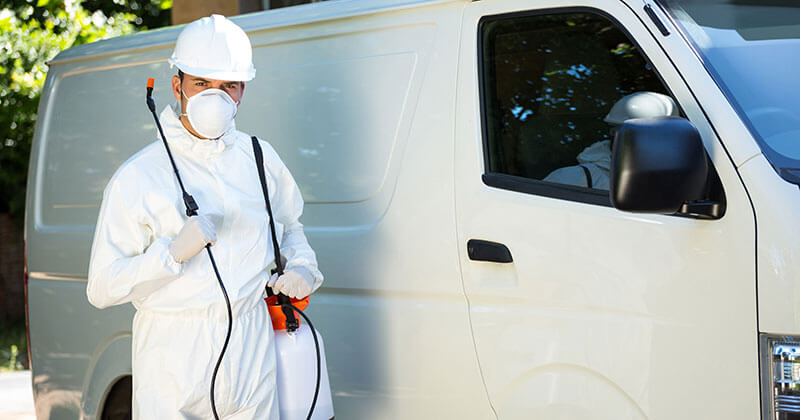
Even the best pesticide sprayer won’t last long without proper care. Here are quick, practical maintenance tips for sprayers:
Consistent maintenance keeps your professional pest tools in peak condition and extends the life of your investment.
RELATED: Pest Control Software That Simplifies Your Day-to-Day Operations
Most brands sell directly through their websites or authorized distributors.
You’ll also find top models at major retailers under the garden and pest control equipment sections. Just confirm that you’re buying the professional-grade version.
When comparing prices, pay attention to what’s included. For example, some battery-powered sprayer packages list the tool only, while others include batteries and chargers.
RELATED ARTICLE: The Best Pest Control Equipment to Build Your Business
These are the most common questions professionals have about pest control sprayers.
It depends on your business size and service type. The Milwaukee M18 backpack sprayer is best for larger companies, while the FlowZone Storm offers great flexibility for smaller teams.
Foggers handle airborne pests like mosquitoes, while battery-powered sprayers excel at targeted surface applications.
Yes—but always clean it thoroughly between uses to prevent cross-contamination.
Manual sprayers are lighter and cost less. However, they require hand pumping to create pressure. Battery-powered sprayers don’t require manual operation. They are more convenient and efficient, but they also cost more and are heavier.
Flush the tank and hoses with water, soak nozzles in mild soap, and rinse completely before storing. Avoid using solvents.
RELATED ARTICLE: The Best Techniques for Pest Control [2025 Guide]
Choosing the right pest control sprayer equipment can make a huge difference in your daily operations. Start by:
With the right pest control sprayer, you’ll save time, boost efficiency, and deliver the professional results your customers expect.
RELATED ARTICLE: How to Start a Pest Control Business

Summary Like any type of marketing, pest control email marketing is all about sending the...
Discover the best pest control sprayers for professional use in 2025. Compare top models,...
The U.S. pest control industry is projected to hit $26B in 2025. Learn key...