15 Pest Control Promotional Ideas to Book More Jobs
Looking for pest control promotional ideas that actually work? Learn how seasonal packages, referral...
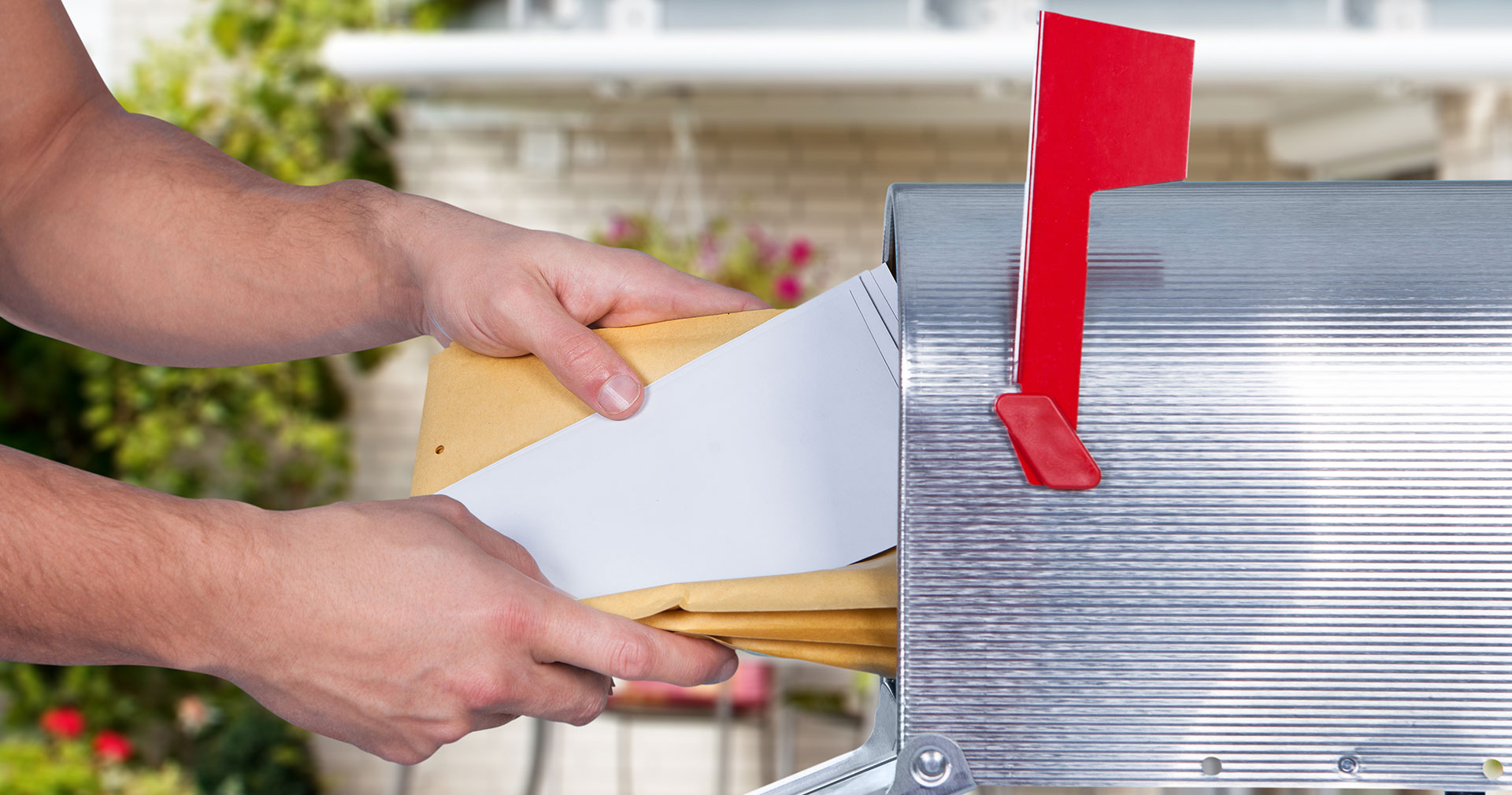
Direct mail has long been a go-to marketing tactic for pest control companies. Most use it to build brand awareness or generate new leads, and it does that job well.
But direct mail can do much more than fill your sales funnel. It can also be a powerful way to stay in front of customers at every stage of their journey.
From sending seasonal service reminders and recovering missed payments, direct mail helps you reach customers where digital messages can’t.
If you’ve had success with postcards or mailers before, it’s time to expand how you use them. And if you’ve never tried direct mail, there’s never been a better time to start.
In this guide, you’ll learn how to use direct mail to recover overdue payments, re-engage lapsed customers, and more—all with help from automation and modern pest control software.
Are your overdue balances piling up? Do email or text reminders go unanswered? Direct mail can help recover revenue from customers who stop responding to digital messages.
Many pest control companies rely on automated emails or texts for payment reminders. But those can easily be ignored or end up in spam folders. A postcard, on the other hand, is hard to miss.
With pest control software like Briostack, you can automate this process. Set up a “trigger” that sends a postcard whenever an invoice becomes overdue by a certain number of days. The system does the rest, which means no extra work for your staff.
For example, your card could read:
“Your $97 pest control service is overdue. Let’s make it right.”
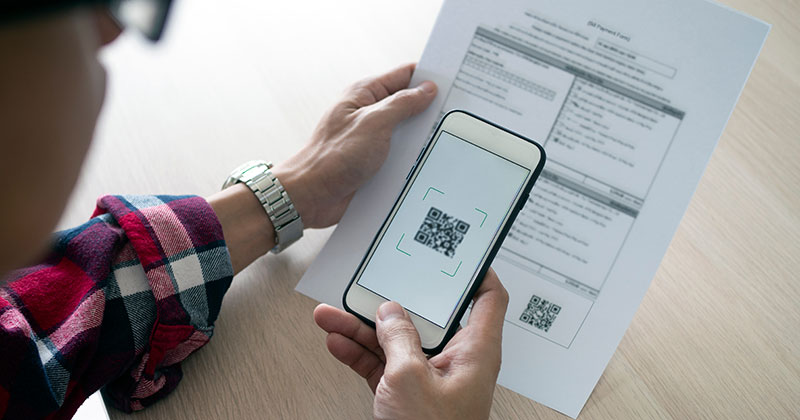
Include your payment link, phone number, and a QR code that takes the customer straight to your payment page. This combination of clarity and convenience makes it easy for customers to take action.
Direct mail reminders keep your communication consistent across every channel. And they ensure that even customers who miss your emails still get the message.
Ready to automate payment follow-ups with postcards? Learn how Briostack’s direct mail feature works.
Is it hard to win back customers who haven’t booked in a while? You’ve probably tried text or email campaigns with limited success. But direct mail might be the missing piece.
Direct mail stands out because it gets noticed. On average, it has a 91% open rate and 4.4% response rate—and results are even higher when you’re reaching existing customers.
Compare that to email, which averages only a 20-30% open rate and less than 1% response rate, and it’s clear why direct mail is such a powerful tool for customer reactivation.
Here’s how to put it to work for you:
Automating this through your pest control software makes the process effortless. Your system can identify inactive customers, send postcards automatically, and track responses. It’ll save you hours while bringing back lost clients.
When used strategically, direct mail doesn’t just remind customers you exist. It reminds them why they chose you in the first place.
RELATED ARTICLE: 6 Tips for a Successful Pest Control Busy Season

It’s easy to assume everyone prefers digital communication, but that’s not always true. In fact, many customers overlook or ignore digital reminders altogether.
With inboxes overflowing, around 80% of people mark marketing emails as spam without reading them. Research also shows that customers ignore business emails nearly half the time. Texts can also get lost in the noise, especially when customers receive dozens of alerts daily.
Direct mail helps cut through that clutter. A physical postcard stands out in a way an email never can. It’s tangible, personal, and almost impossible to miss.
For the best results, take an integrated approach. Start with a text, follow up with an email, and then send a postcard. The postcard may be the one message that actually reaches your customer.
Setting up this workflow is easier than it sounds. Just as you automate texts or emails, you can do the same for physical mail.
With pest control business software tools, you can create “triggers” that automatically send postcards based on customer actions, such as ignored reminders, overdue balances, or service lapses.
Combining digital and direct channels ensures no customer falls through the cracks and keeps your brand top of mind across every touchpoint.
RELATED ARTICLE: Marketing 101 for Pest Control Companies
Direct mail for pest control businesses isn’t just for promotions—it’s a powerful reminder tool.
Many customers simply need a nudge before pest season starts. Sending postcards with timely messages can help you fill your schedule early and stay ahead of the rush.
Here are a few seasonal examples that grab attention:
The key is timing. Align your mailers with the local pest cycle so your message feels relevant and urgent. For recurring, annual, or prepaid plans, highlight the savings customers get when they book early or commit long-term.
Pre-season direct mail campaigns are a simple way to stay top of mind and keep your routes full before your competitors even start calling.
Direct mail gives you something digital ads can’t—precise local targeting. You can reach homeowners in specific ZIP codes, neighborhoods, or even streets near your existing customers.
Using your CRM data or tools like USPS Every Door Direct Mail (EDDM), you can focus on the areas most likely to respond and customize your message accordingly.
Here are a few smart ways to use targeting to grow locally:
Targeted direct mail keeps your marketing dollars focused where they matter most—your local service area. And when paired with automation, you can trigger these campaigns automatically to keep growth consistent year-round.
The more personal your message, the better it performs.
In fact, 96% of consumers say they’re more likely to buy from brands that personalize their messages, and 71% expect it as part of good service.
Personalized mailers help your business stand out. They show customers you know who they are, what services they’ve received, and what they might need next.
Here are a few ways to make your direct mail more relevant:
Use customer data to make every postcard feel tailored. Include their name, last service date, or past treatments.
You can even recommend the next logical service based on the time of year, like mosquito control in summer or rodent prevention in fall.
Add “trust signals” such as your license numbers, accreditation logos, or stats like “1,000+ homes serviced in your city.”
These details show credibility and help homeowners feel confident choosing your team.
Moving into a new home often means finding new service providers.
Send a personalized “Welcome to the neighborhood” card offering an introductory inspection or pest treatment discount. It’s a friendly way to introduce your brand while helping them protect their new investment.
Personalization is what turns a simple postcard into a relationship-building tool. When your message feels timely and relevant, your investment in direct mail delivers far stronger returns.
RELATED ARTICLE: 4 Ways to Use Facebook to Attract Pest Control Customers
Direct mail and digital marketing work best when they work together. Using both creates an omnichannel approach. That means more touchpoints, more recognition, and higher response rates.
Direct mail can be harder to track than email, but that’s easy to fix. Include unique QR codes, URLs, or promo codes, so you can measure engagement and conversions. Then, use your digital tools to keep the momentum going.
For example, after sending a postcard, schedule an email or text follow-up a few days later. Reinforce the same message and call to action so your brand stays top of mind.
With a CRM, you can even automate this entire sequence. The system can send mailers automatically, then trigger an email or SMS when delivery is confirmed. This creates one smooth, consistent campaign across both channels.
RELATED ARTICLE: How to Generate More Pest Control Leads
Managing direct mail doesn’t have to mean juggling spreadsheets or chasing down a print vendor. With the right CRM, you can automate postcards the same way you automate texts or emails, all from one dashboard.
Automation lets you send personalized, timely mailers triggered by customer actions or timelines. Here are a few ways to use it:
With a system like Briostack, these campaigns take just a few clicks to set up. You can track every postcard, monitor delivery status, and view results in the same dashboard where you manage your texts, emails, and routes.
That means less manual work, fewer missed opportunities, and more consistent customer communication across every channel.
Ready to put direct mail to work? Start small, test what performs best, and build from there. Here’s a simple way to begin:
Direct mail gives you another way to reach customers who ignore digital reminders. A simple postcard can catch their attention better than an email or text.
With automated triggers in your pest control CRM, you can send a postcard automatically after an invoice hits 30 or 60 days past due—no manual follow-up needed.
Email inboxes are packed. People get hundreds every day, and many go straight to spam.
A postcard, on the other hand, is almost impossible to overlook. When it’s personalized and relevant, most people will at least glance at it, and that’s often all it takes to drive action.
Yes! With platforms like Briostack, direct mail automation is built right in.
You can create postcard triggers for missed payments, inactive customers, or seasonal promotions—all managed from one central dashboard. It takes only a few clicks, and you can even track deliveries and results right inside the system.
Looking for pest control promotional ideas that actually work? Learn how seasonal packages, referral...
Learn how to build a pest control referral program that consistently generates new business....

Discover how to use social media to grow your pest control business. Learn practical...