National Pest Management Month: Recognizing the Quiet Heroes of Pest Control
National Pest Management Month is a chance to recognize the work pest control professionals...
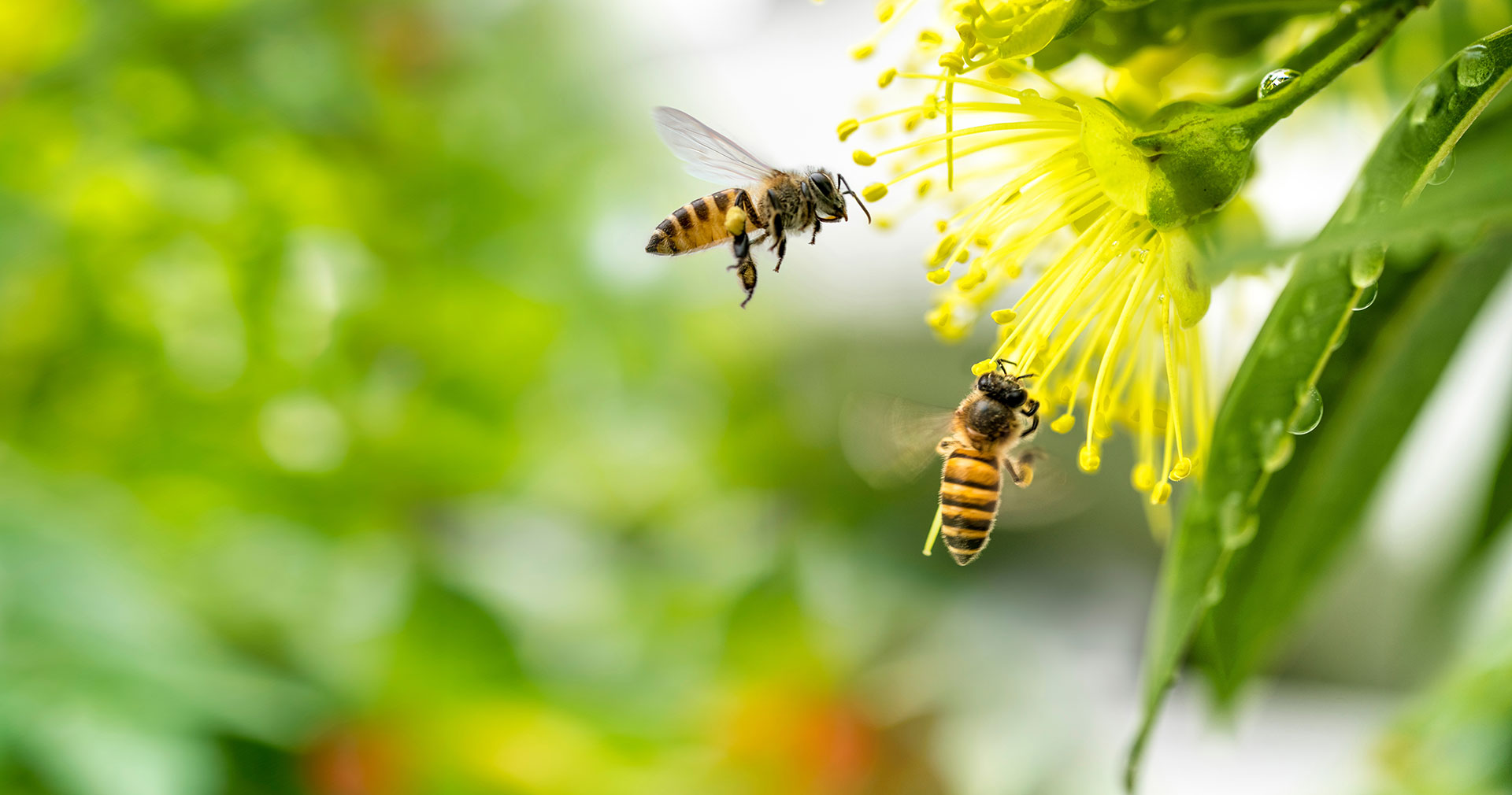
Unexplained holes in wood, a loud buzzing noise, small piles of sawdust—what’s going on?
The culprit may be the carpenter bee—a seemingly harmless pest with a penchant for making itself at home in our homes. Carpenter bees may not be as notorious as termites or cockroaches, but they can wreak havoc on wooden structures if left unchecked.
So how can you effectively manage these buzzing intruders?
In this post, I’ll dive into everything you need to know about carpenter bee pest control, from their behavior and signs of infestation to prevention measures.
Get ready to add another tool to your arsenal of pest-fighting techniques!
Carpenter bees belong to the genus Xylocopa. They get their name because of their nesting habits, with most excavating tunnels in tough plant materials such as dead wood or bamboo.
Let’s take a closer look at what makes these pests unique by answering some common questions.
RELATED ARTICLE: How to Start a Pest Control Business
Often mistaken for bumblebees, carpenter bees are about 1 inch long.
Their abdomens are shiny and black with very little hair. Males are typically orange and black. Females are all black.
Carpenter bees are not aggressive. Males might hover around you, but they actually can’t sting. Females can sting but will only do so if provoked.
Carpenter bees don’t live in colonies like honeybees. Instead, they build their nests, called galleries, by boring tunnels in wood.
They generally nest in untreated or weathered wood. Fences, decks, outdoor furniture, railings, and house siding make ideal homes for carpenter bees.
Inside the galleries, females lay their eggs. They also store food for their larvae.
You’ll find carpenter bees across the eastern United States, but they prefer warm weather.
Yes. Carpenter bees are prolific pollinators. They use a method called buzz pollination. This means they can pollinate plants that other bees can’t quite reach.
It’s not uncommon for carpenter bees to be mistaken for other types of bees. But, there are some important differences:
Carpenter bees are also compared to carpenter ants because they both build nests in wood. But, carpenter ants don’t have the same destructive power.
FROM ONE OF OUR PARTNERS: 5 Strategic Insights for Pest Control Companies
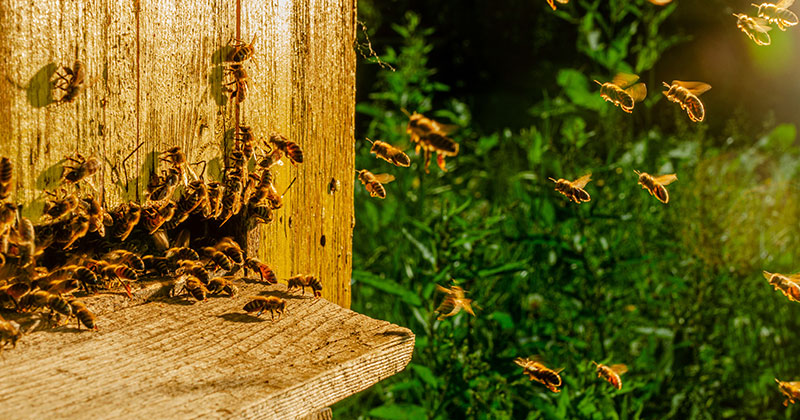
Carpenter bees may be relatively harmless to humans. But they can wreak havoc on wooden structures, including homes and businesses.
Over time, nests can lead to a loss of structural integrity. The wood has so many holes that it eventually collapses.
This can be dangerous—particularly if the bees have made their nests in a critical structural element of the property.
Another problem with carpenter bees is the holes themselves. Even if they don’t cause structural damage, they are unsightly. Each hole is about half an inch in diameter. This can ruin the appearance of furniture and decking.
Finally, when carpenter bees build their nests, they leave sawdust. This is also called frass. It can become quite messy.
Carpenter bees pose other risks unrelated to the wood they damage. This includes:
RELATED ARTICLE: How to Become a Pest Control Technician
How to Spot a Carpenter Bee Infestation
Suspect your client has a carpenter bee infestation? Keep an eye out for these visual and behavioral clues:
If you notice one or more of the clues above, you may want to try and identify the bees. Here’s how:
FROM ONE OF OUR PARTNERS: The 6 Best Pest Control Software Options on the Market

Taking fast action can help control and prevent these damaging pests. Here are some practical tips for effective carpenter bee pest control:
Carpenter bees often leave round holes in exposed wood, sawdust-like debris, and staining below entry points. They may hover near eaves, decks, fascia, fences, or other unfinished wood.
Carpenter bees can tunnel into wood and return to the same areas year after year. Over time, repeated nesting can weaken surfaces and attract woodpeckers looking for larvae.
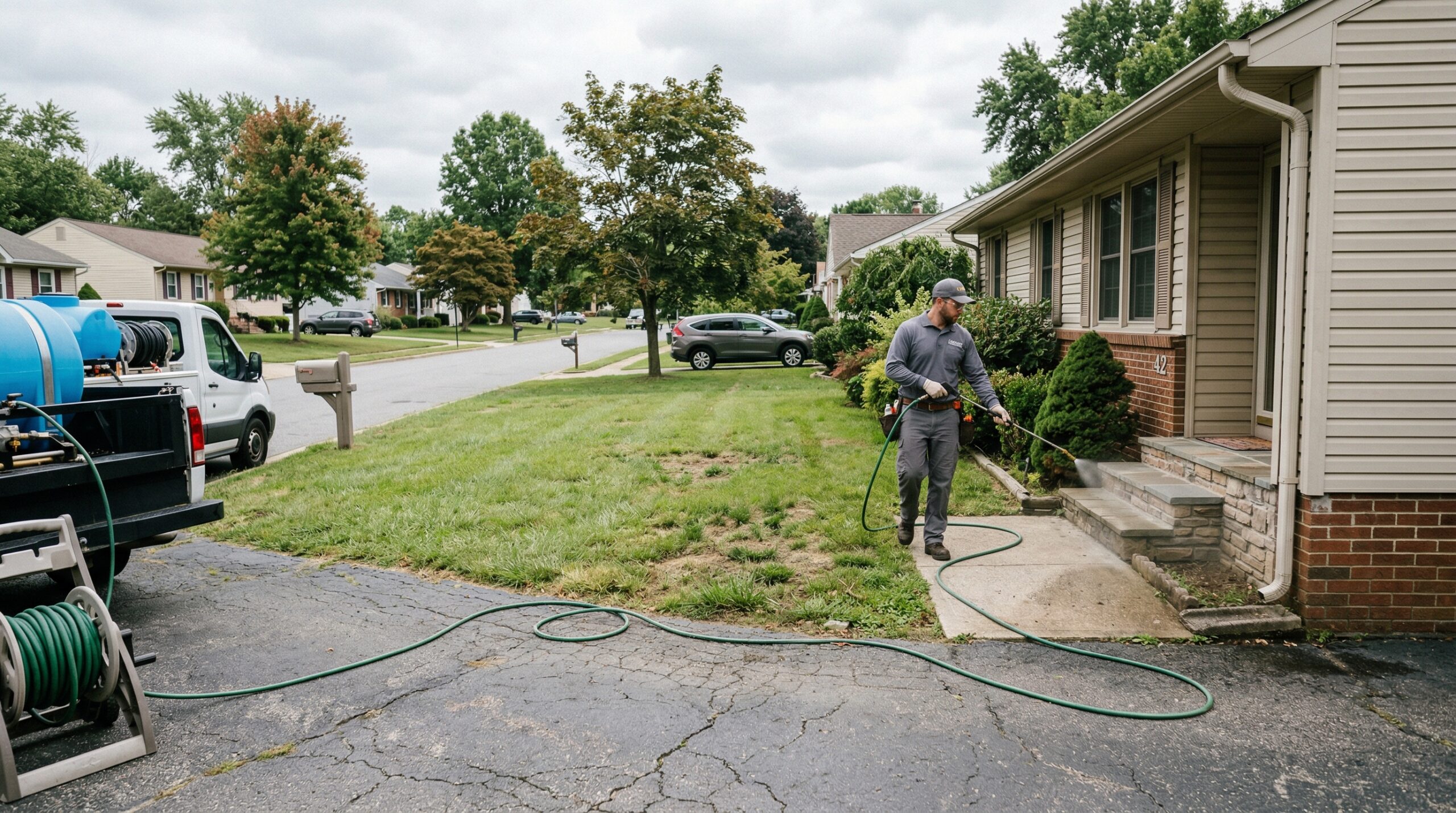
Prevention usually includes sealing old holes after activity stops, painting or finishing exposed wood, repairing damaged boards, and scheduling targeted treatment when bees are active.
National Pest Management Month is a chance to recognize the work pest control professionals...

Discover the best pest control sprayers for professional use in 2025. Compare top models,...

The U.S. pest control industry is projected to hit $26B in 2025. Learn key...